Slavic San Francisco
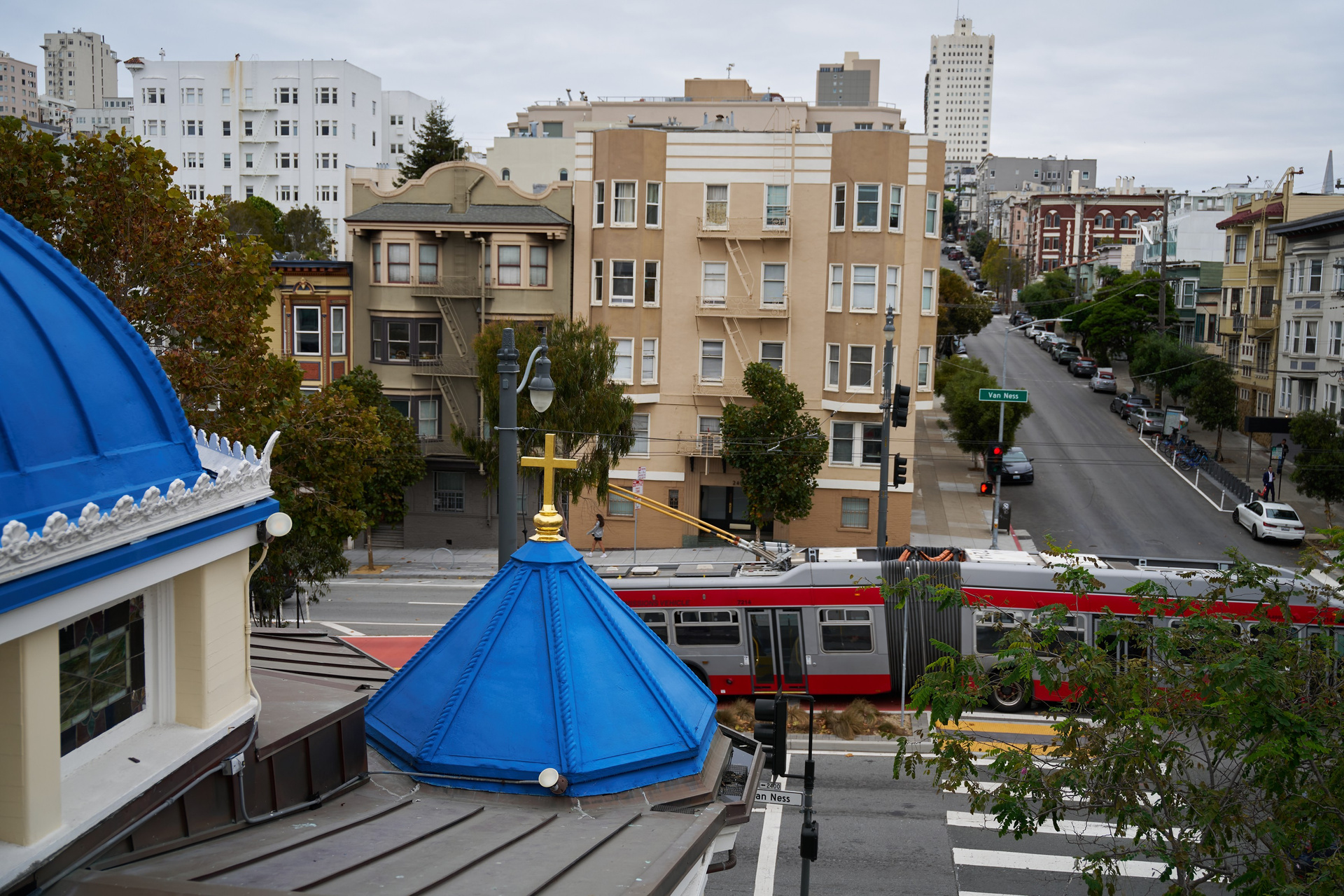
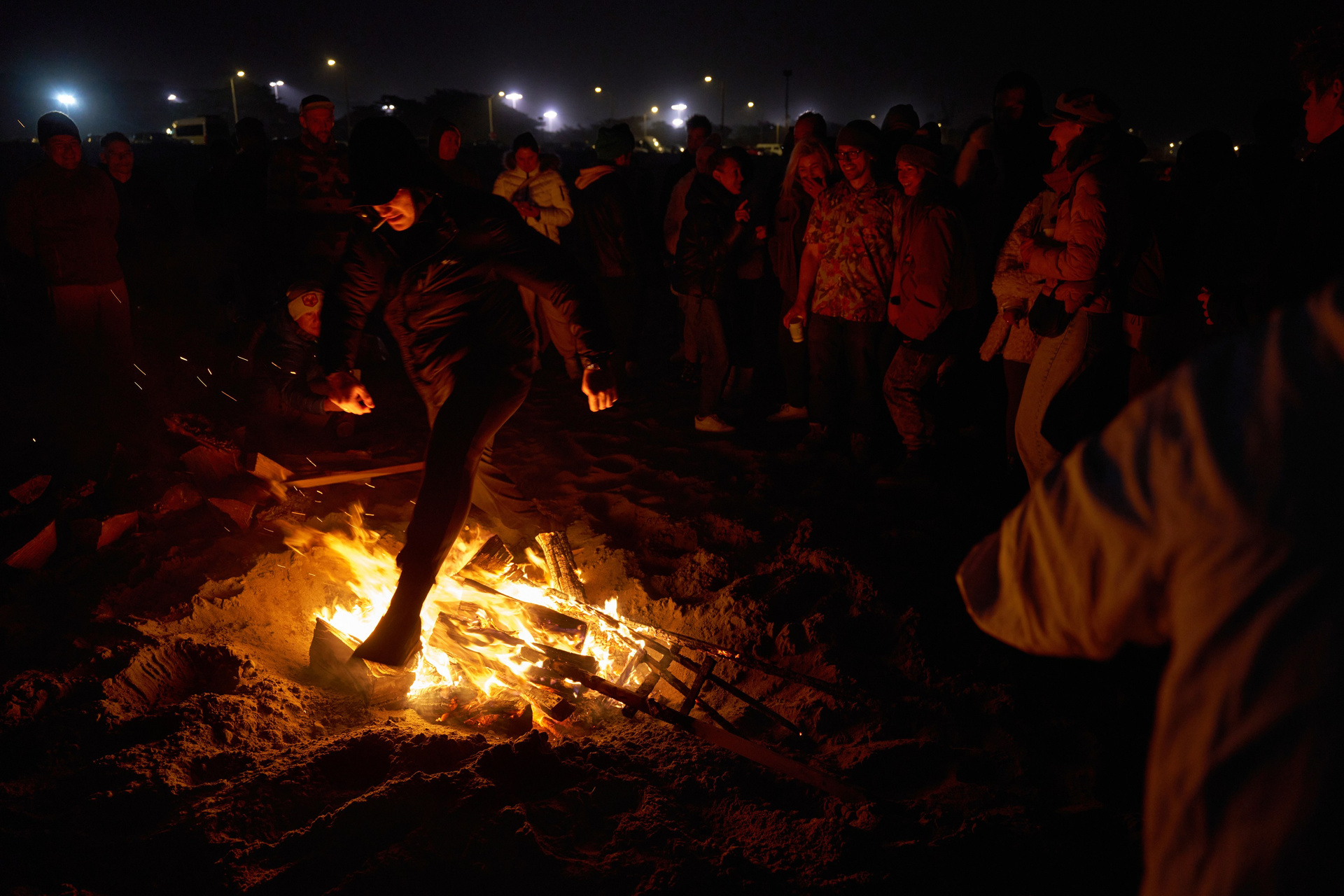
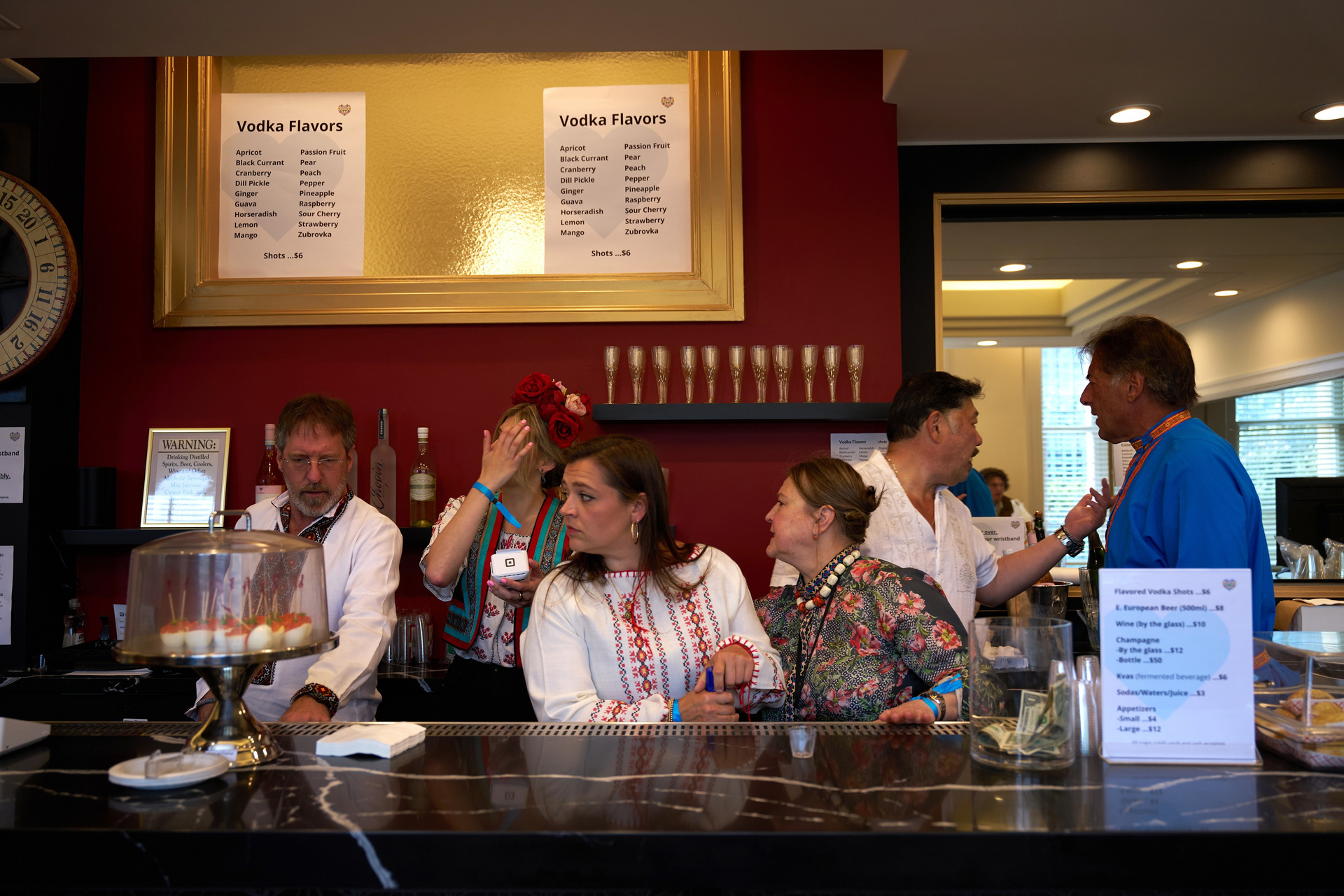
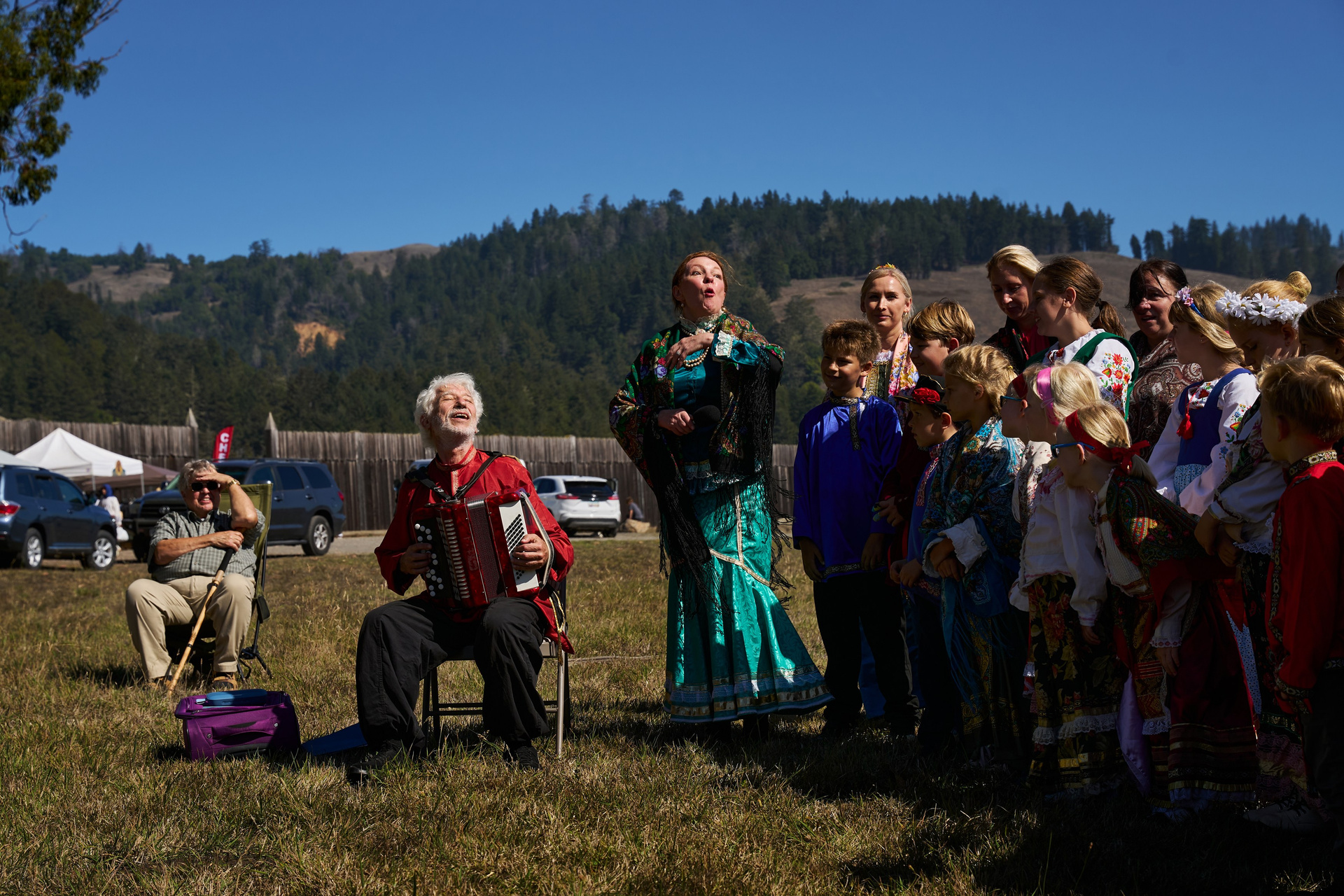
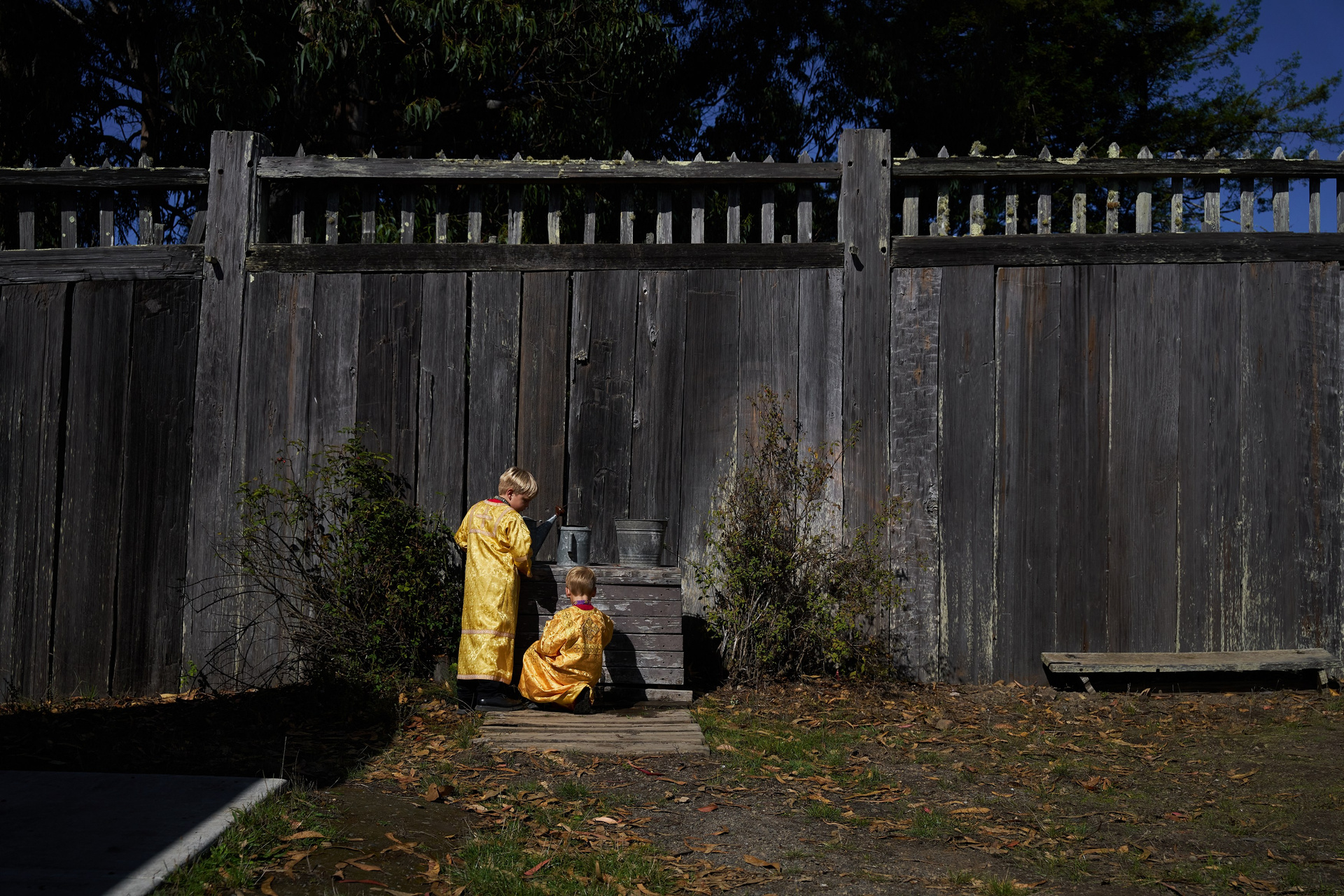
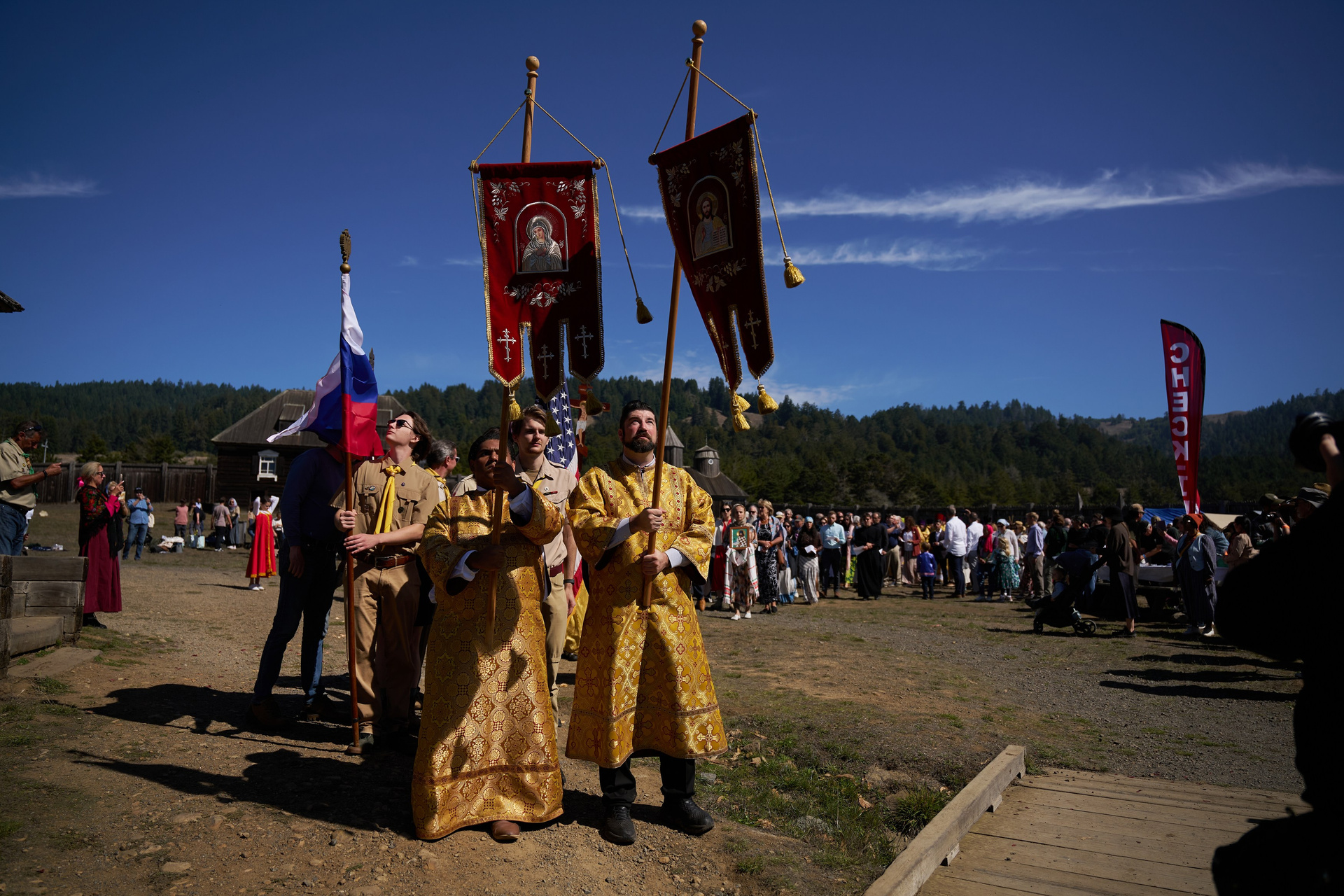
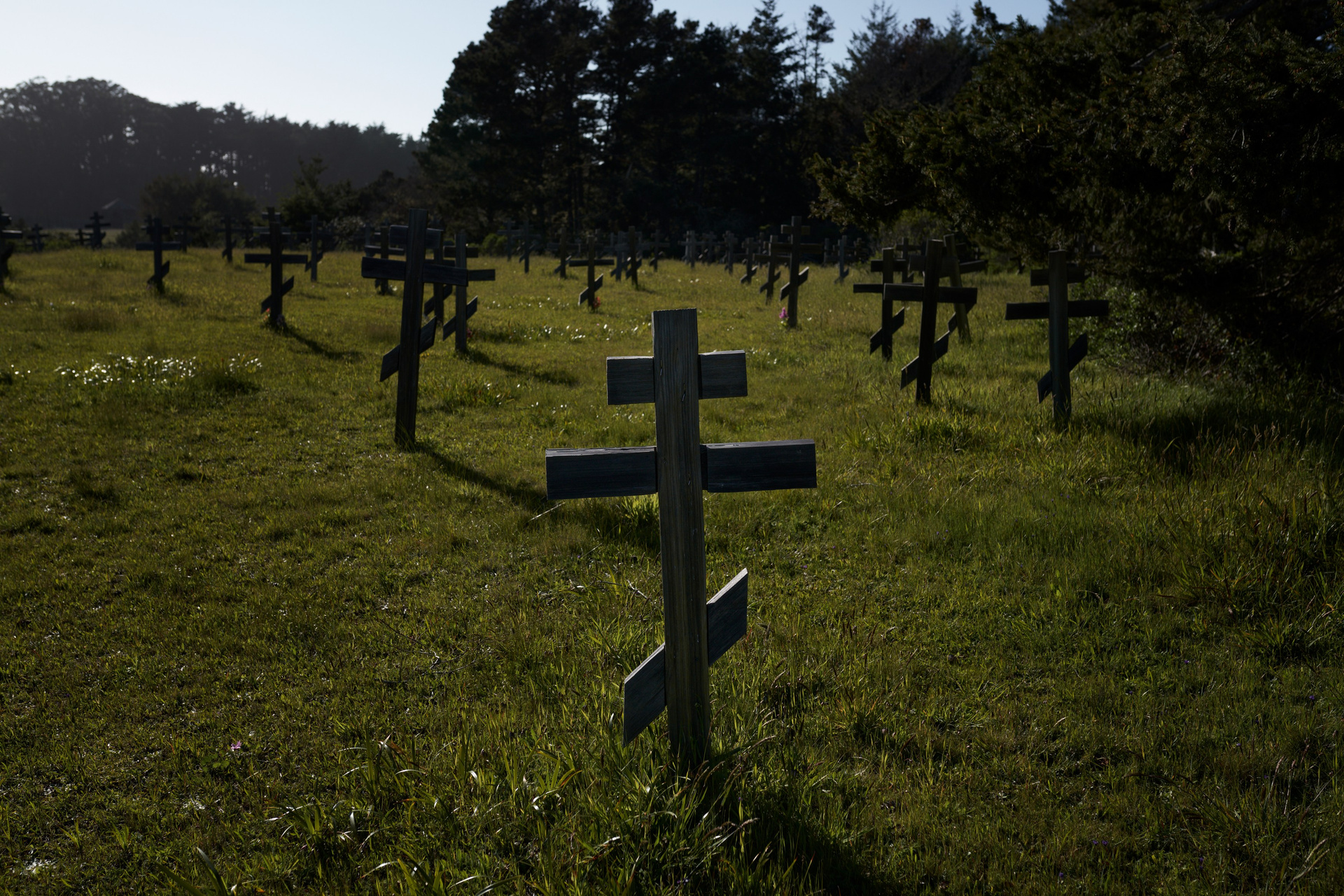
The map of the U.S. coastlines is dotted with familiar Russian names: New Kuban, Sebastopol, Russian River… Orthodox church crosses shimmer over San Francisco, and you can easily find a place serving the traditional soup, borsch. The presence of Russians in California began with the founding of Fort Ross in 1812 and had a significant influence on the culture, science, and art of the region.
After moving to the U.S., I encounter Americans daily who speak of their Slavic roots — and it has never stopped surprising me how this relation to the past generations persists through time in modern America.
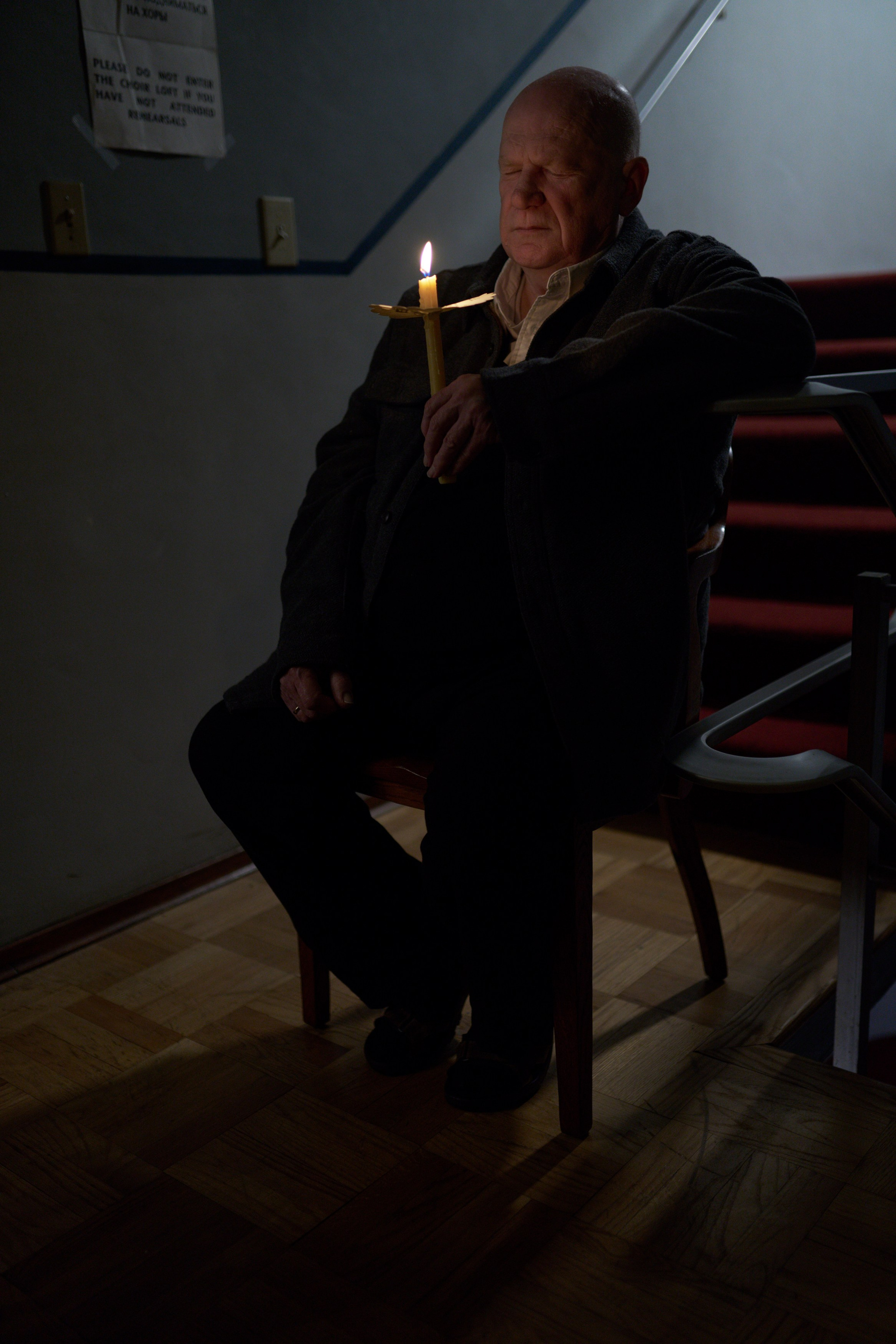
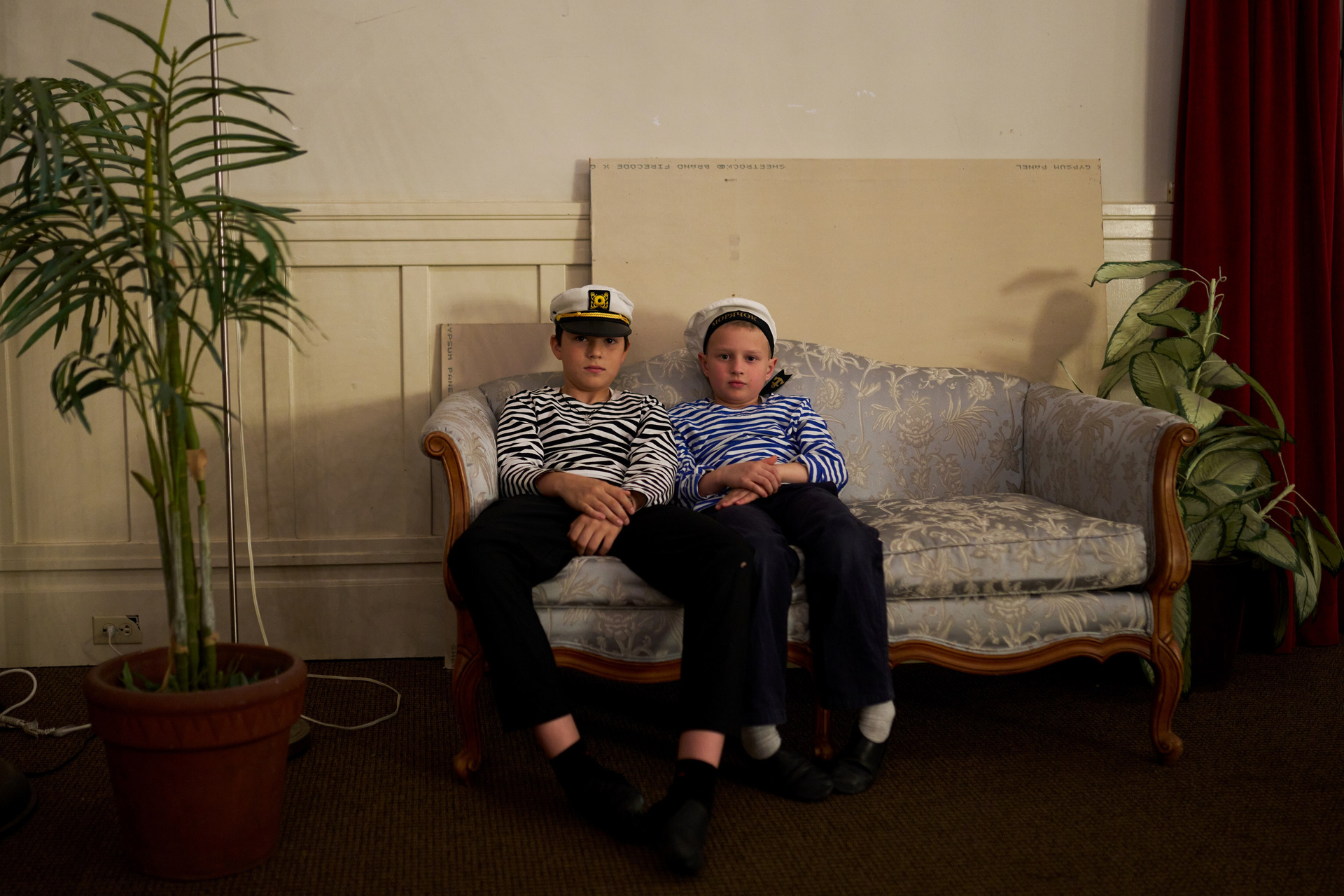
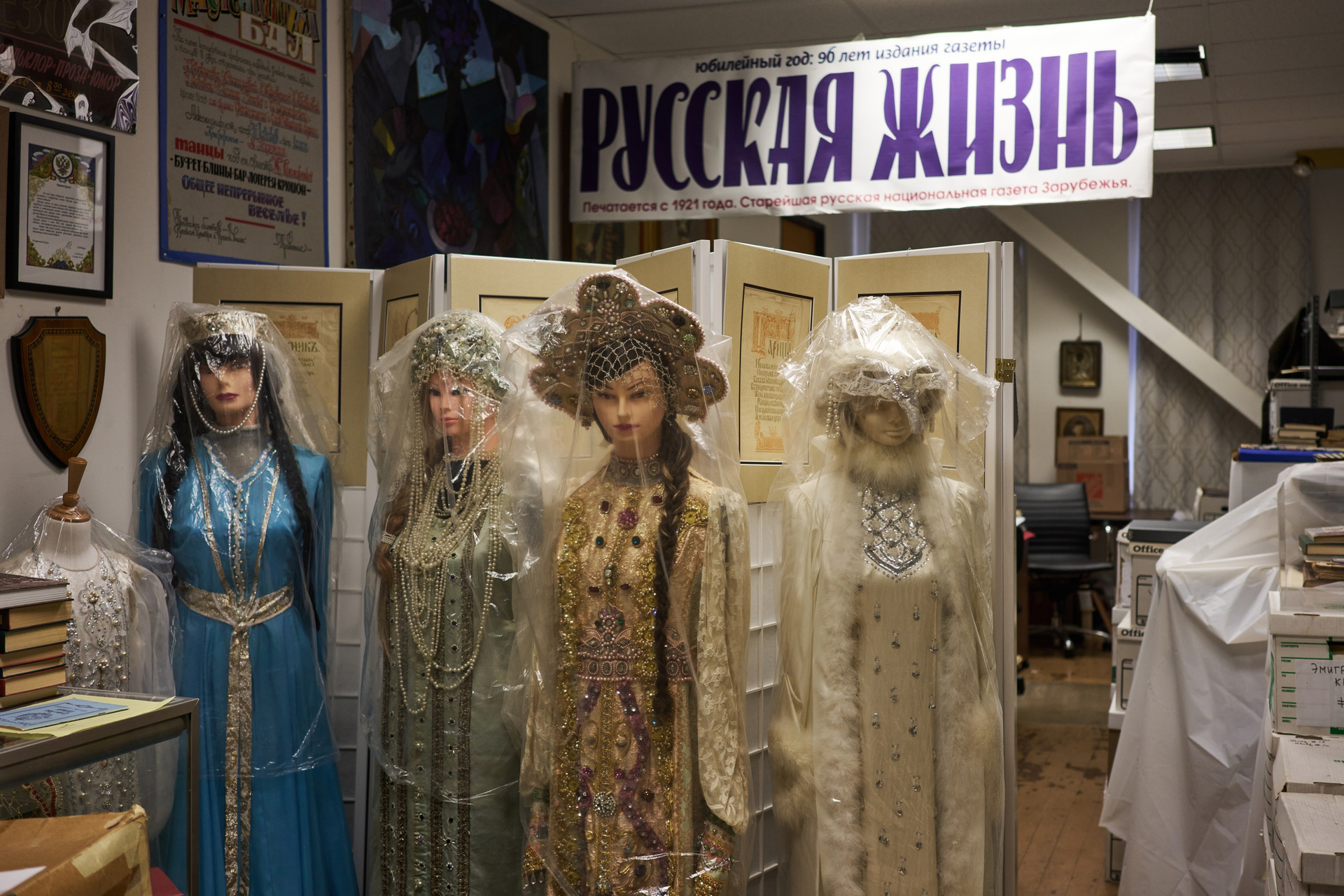
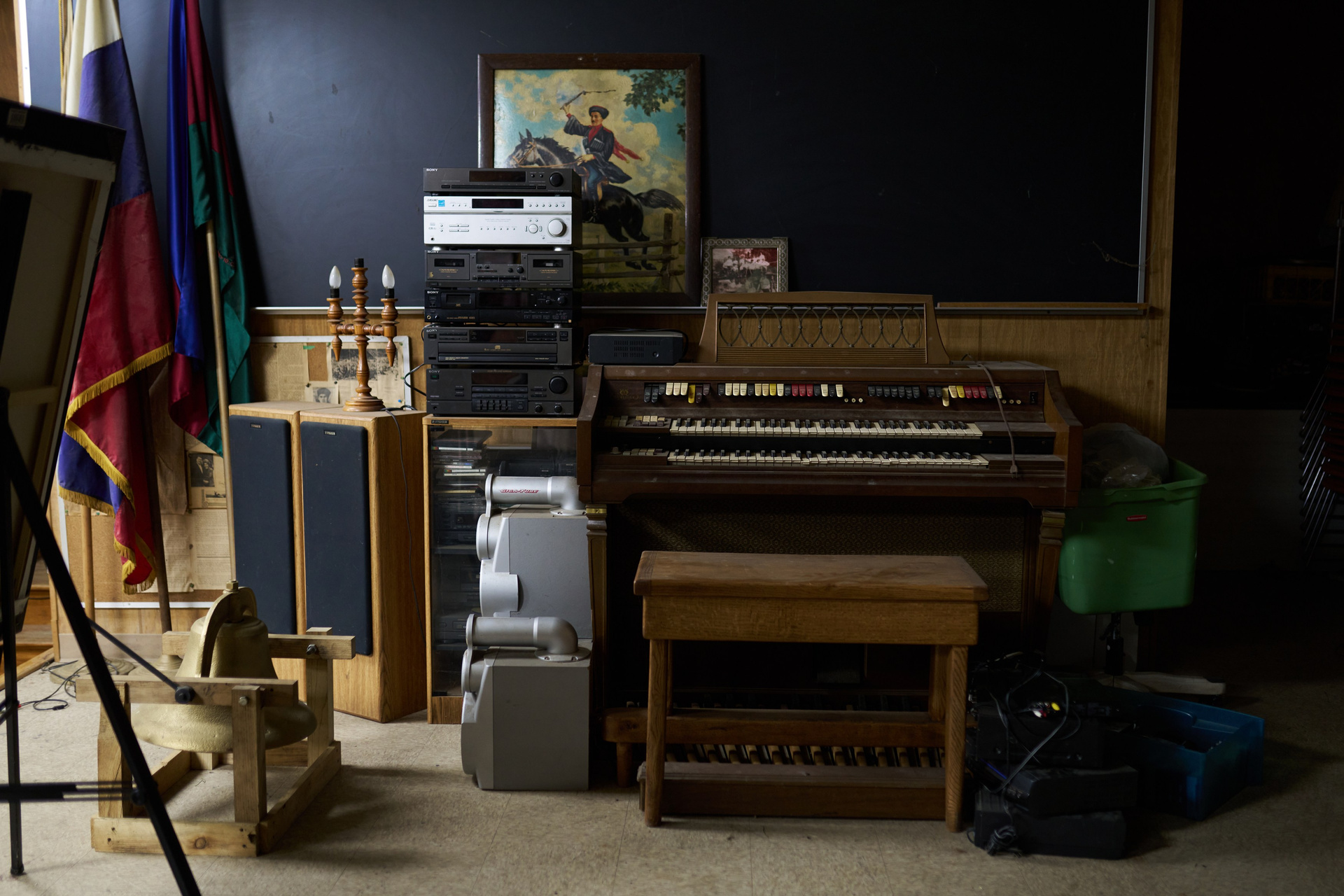
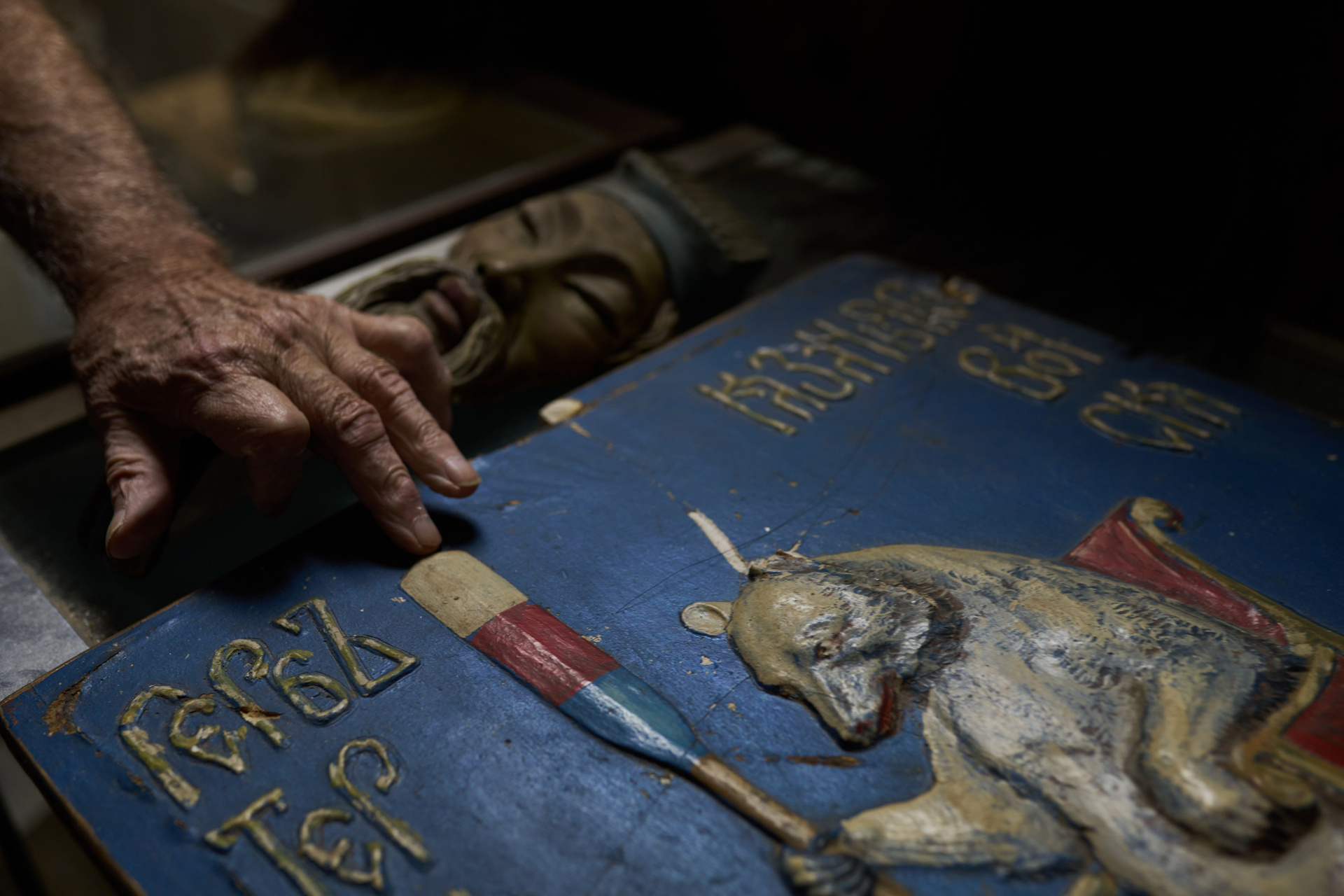
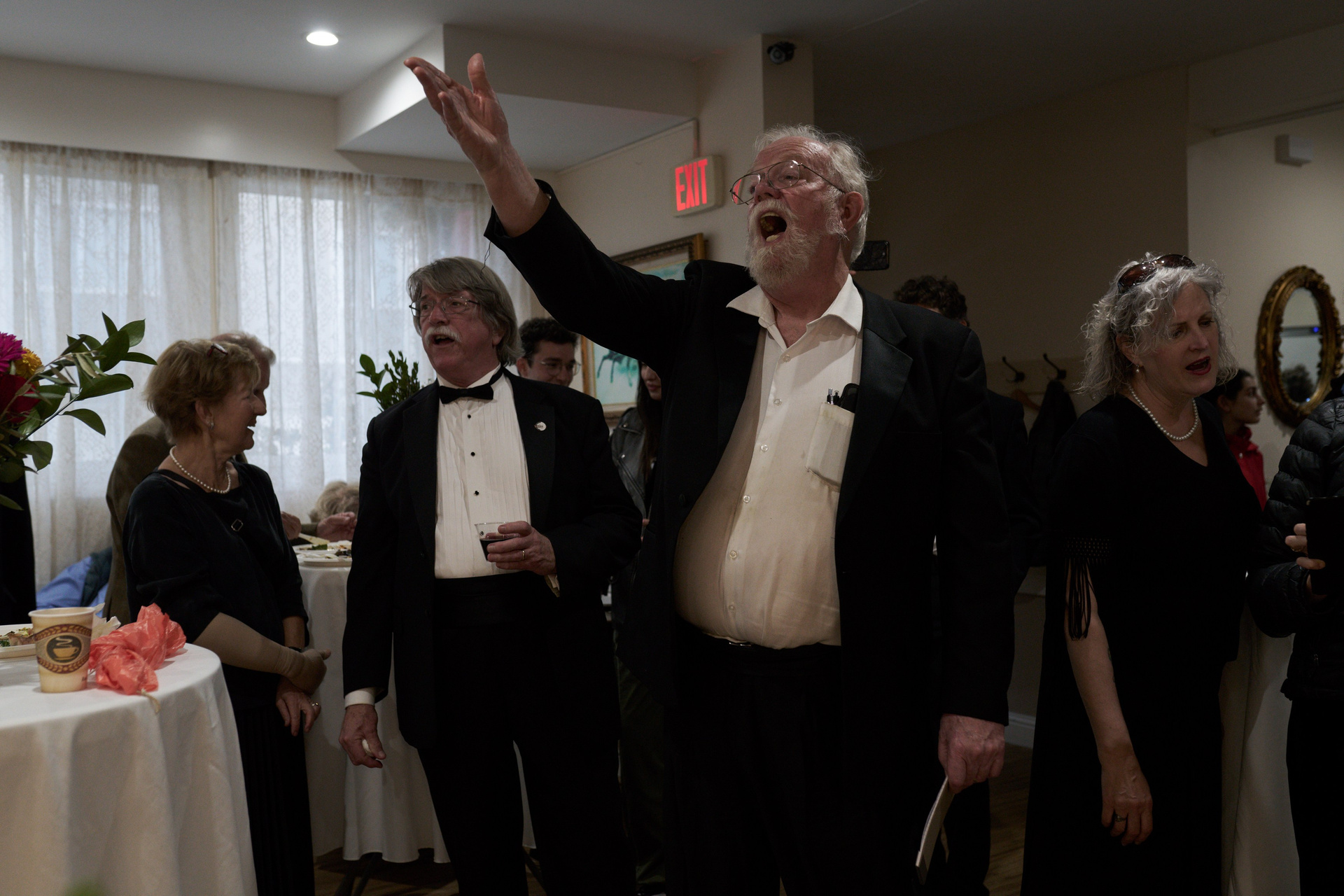
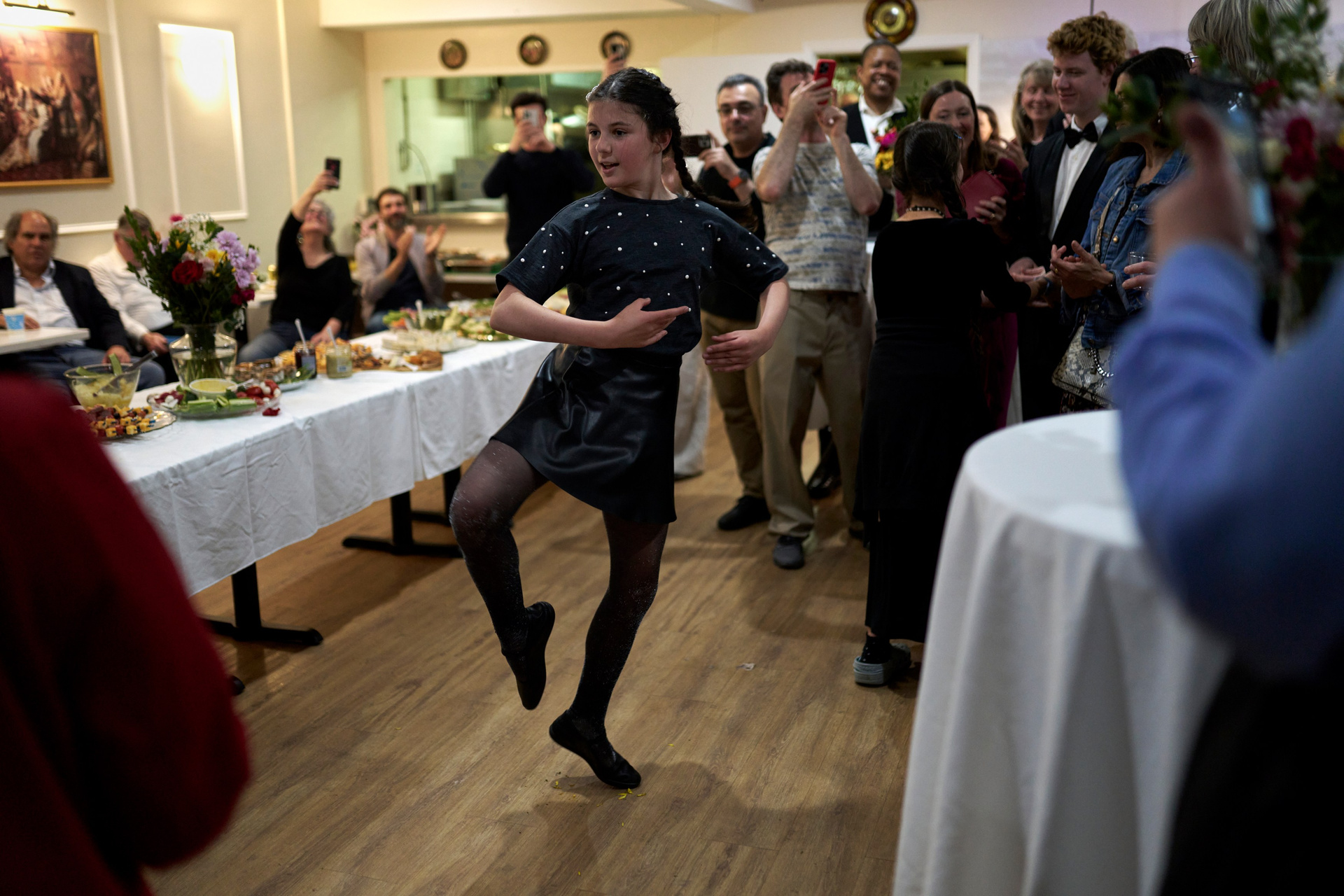
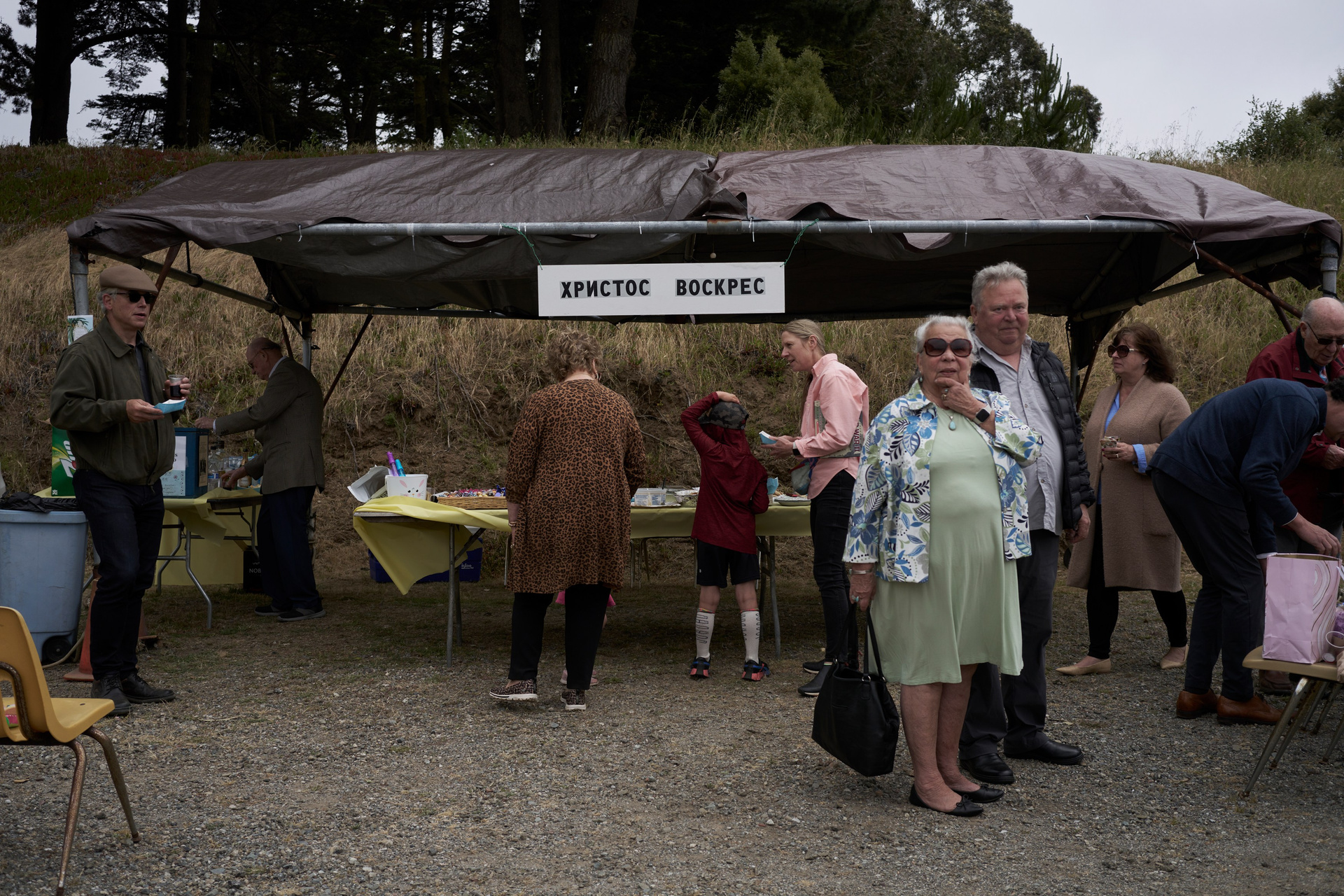
The term “Russian Americans” emerged in the early 20th century and is loosely used to refer to descendants of immigrants from the Russian Empire and later the USSR. The subjects of this project have fascinating family stories of emigration to the U.S. Some of these people were born in the U.S. and have never visited Russia or post-Soviet countries. Others have been living in the U.S. for more than half of their lives. Their self-identification has strong connections with the culture and faith of their ancestors. However, the culture preserved, nurtured, and developed within the community of descendants of the first emigrants belongs to a different place and time, distinct from the culture of the Soviet era and beyond.
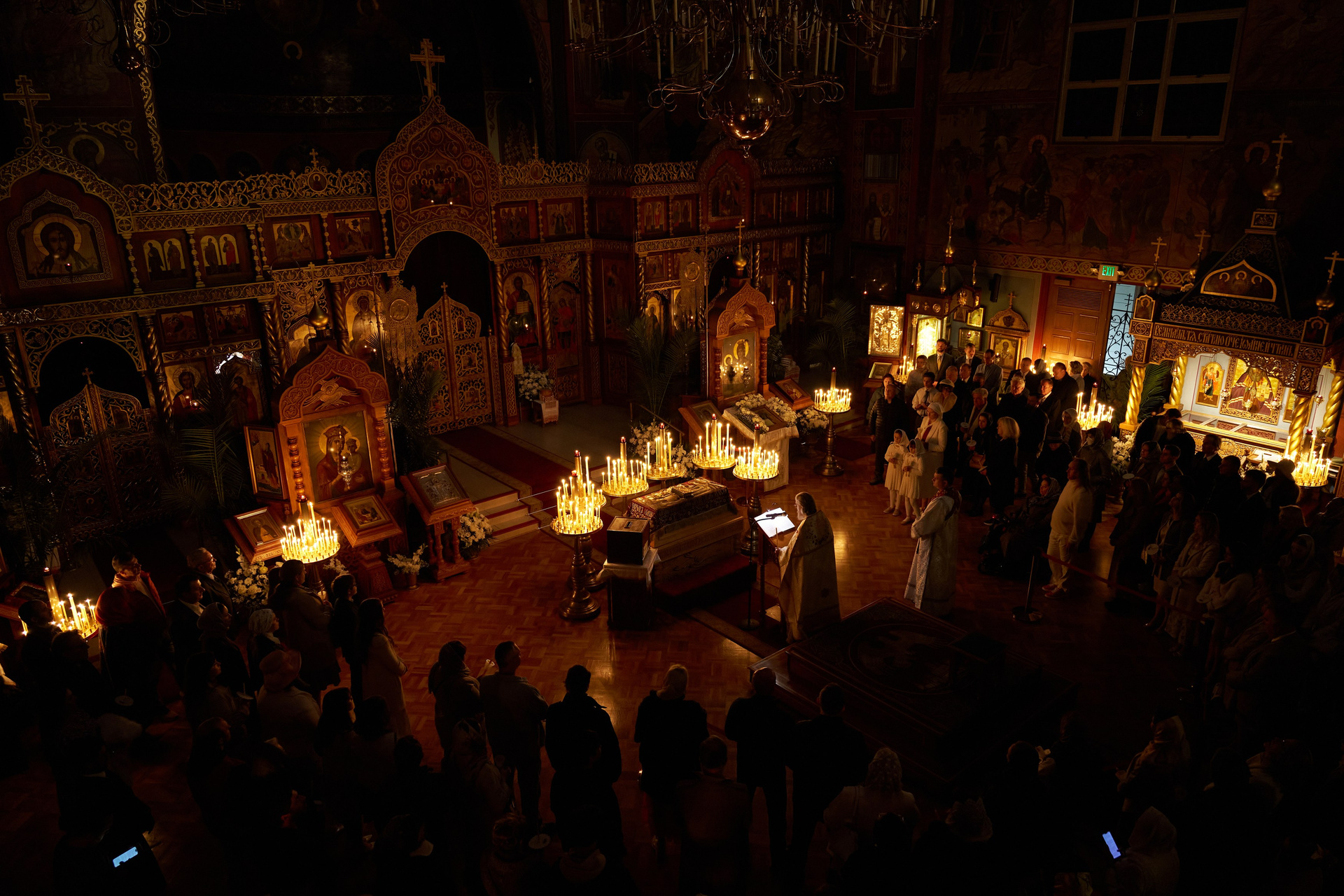
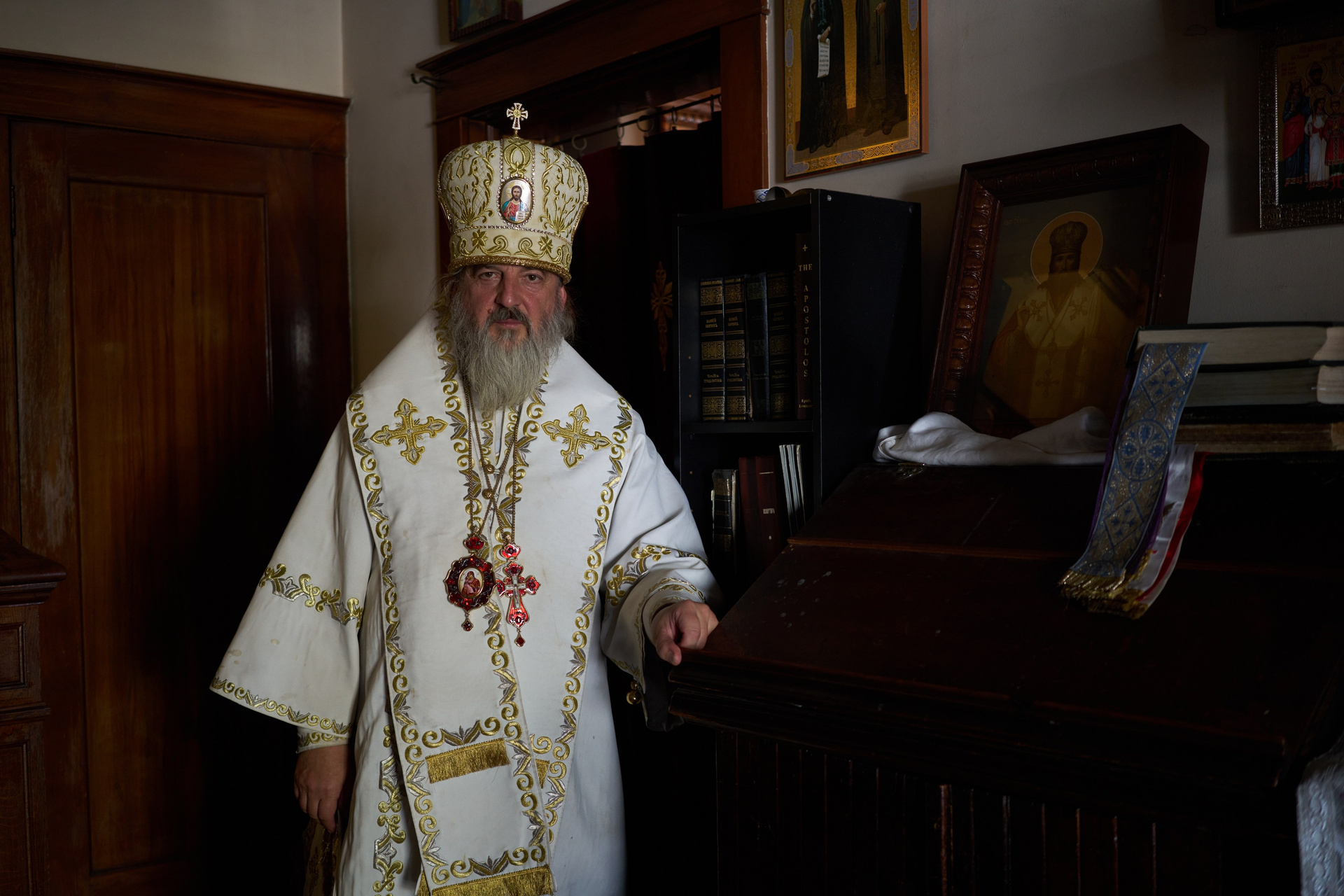
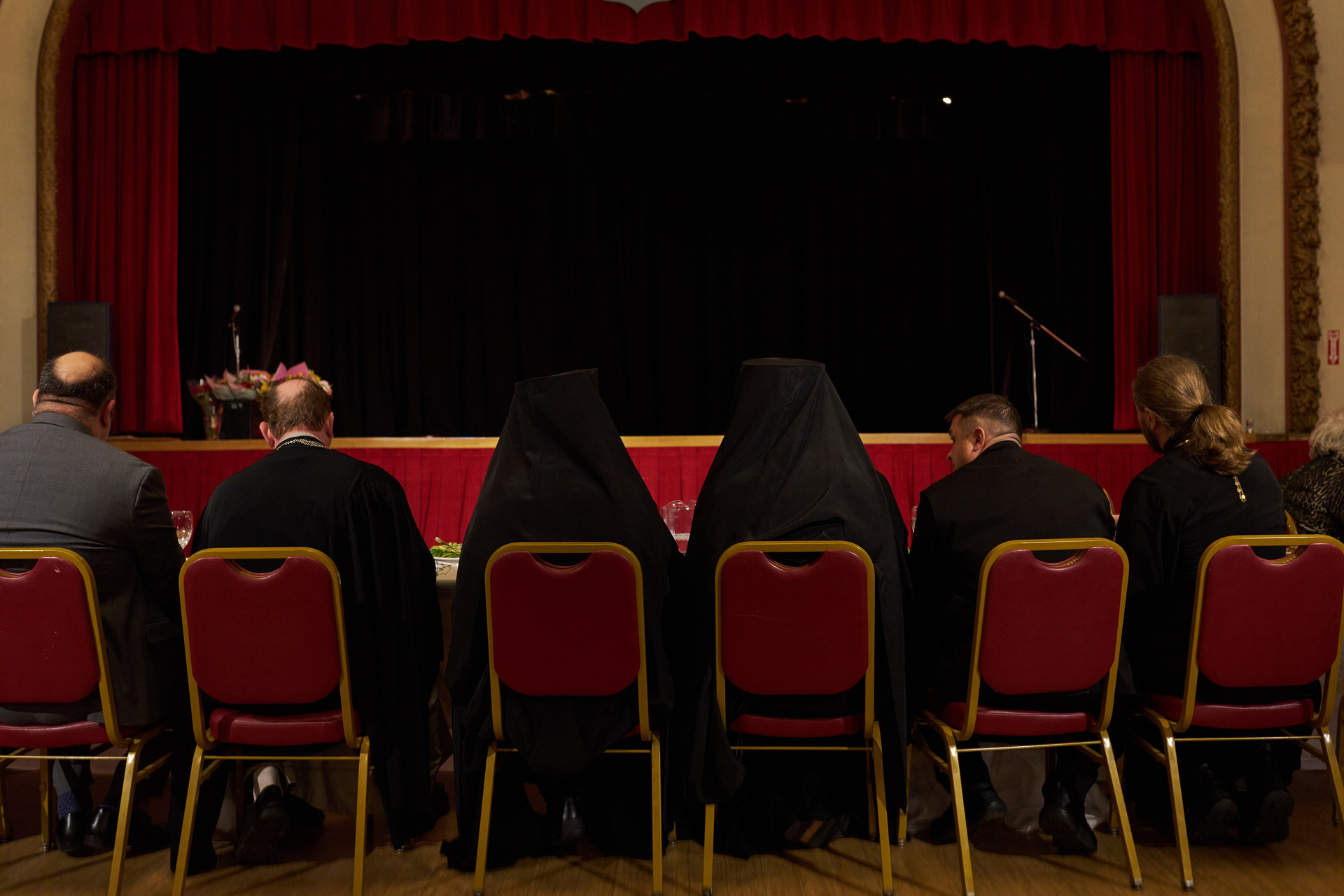
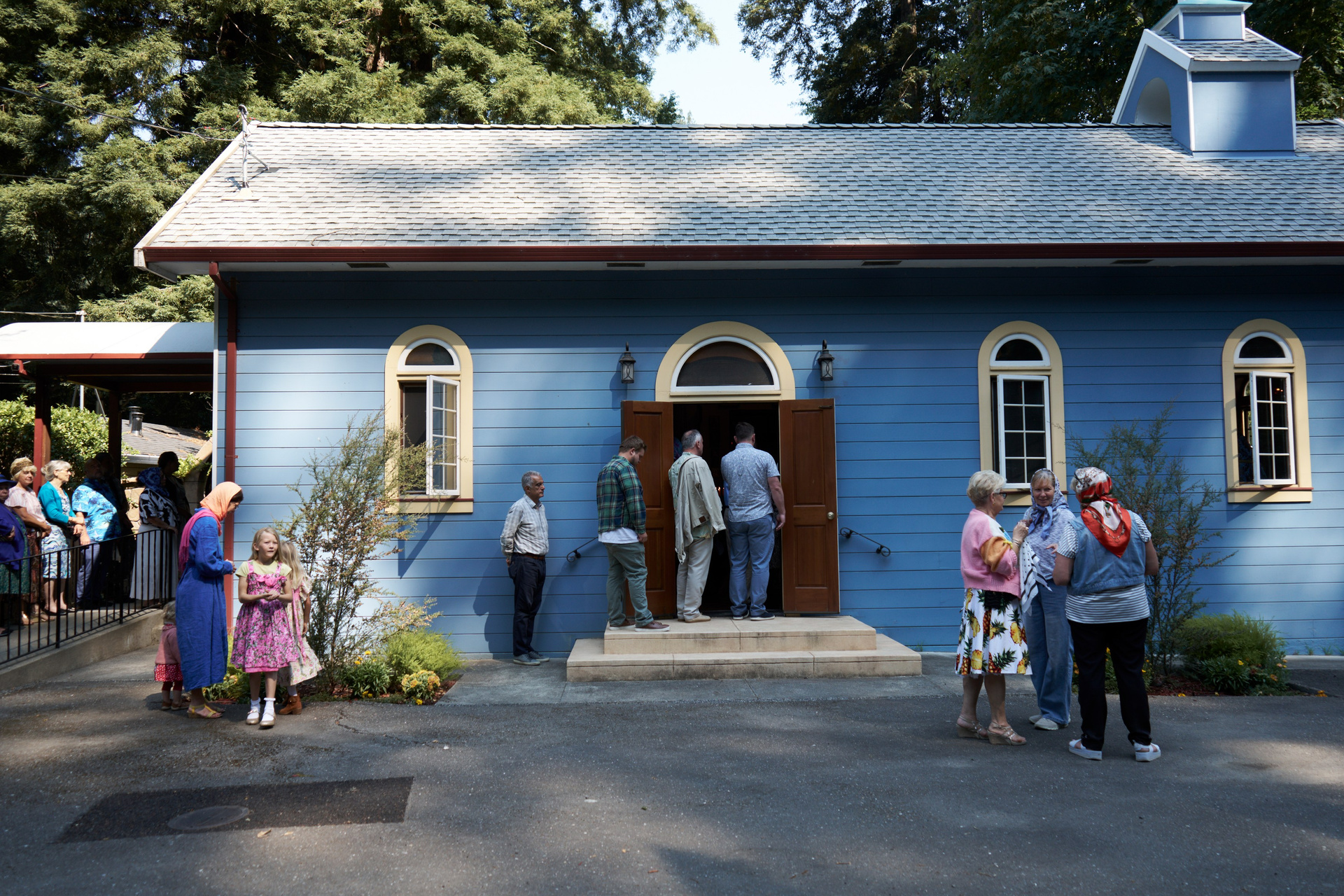
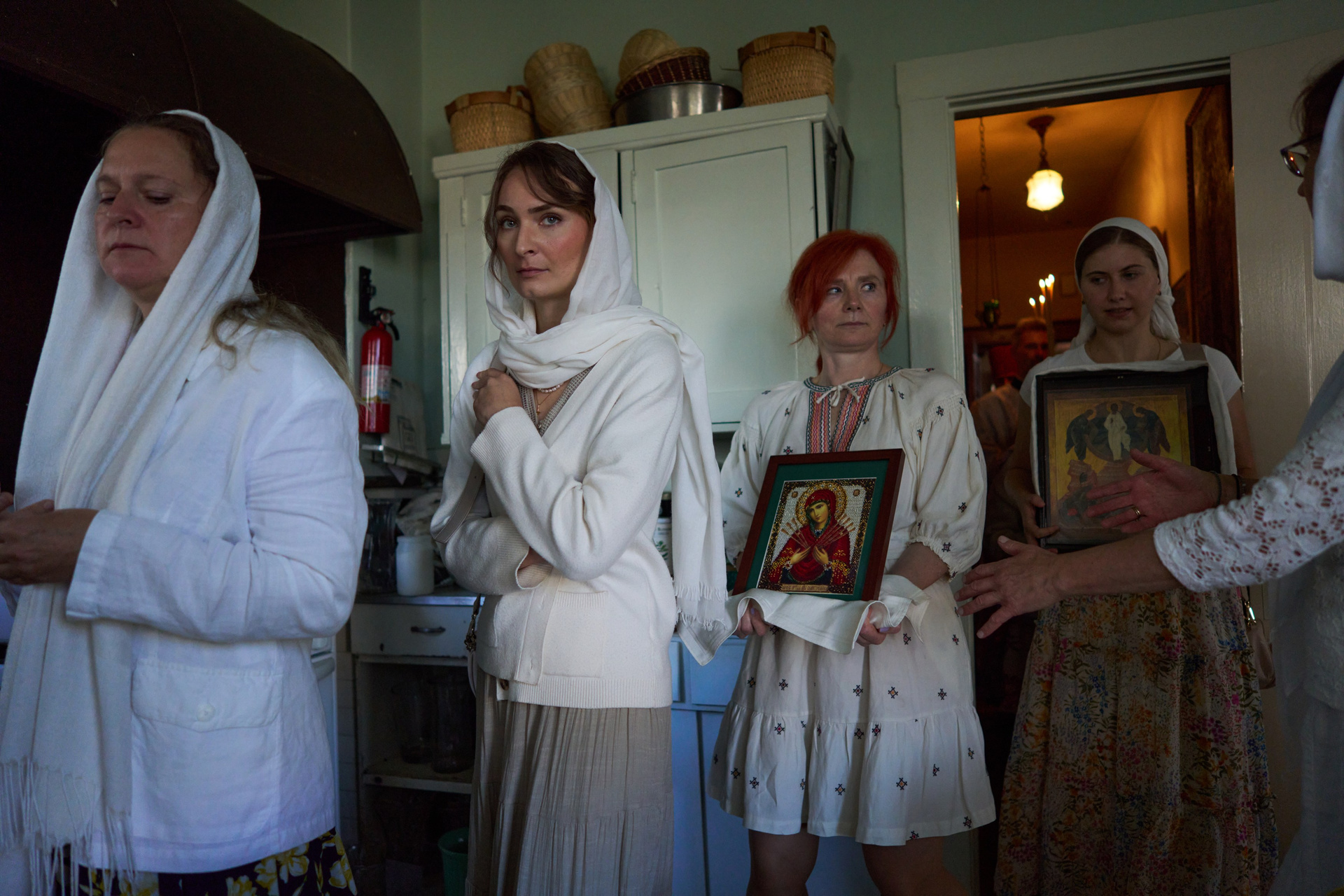
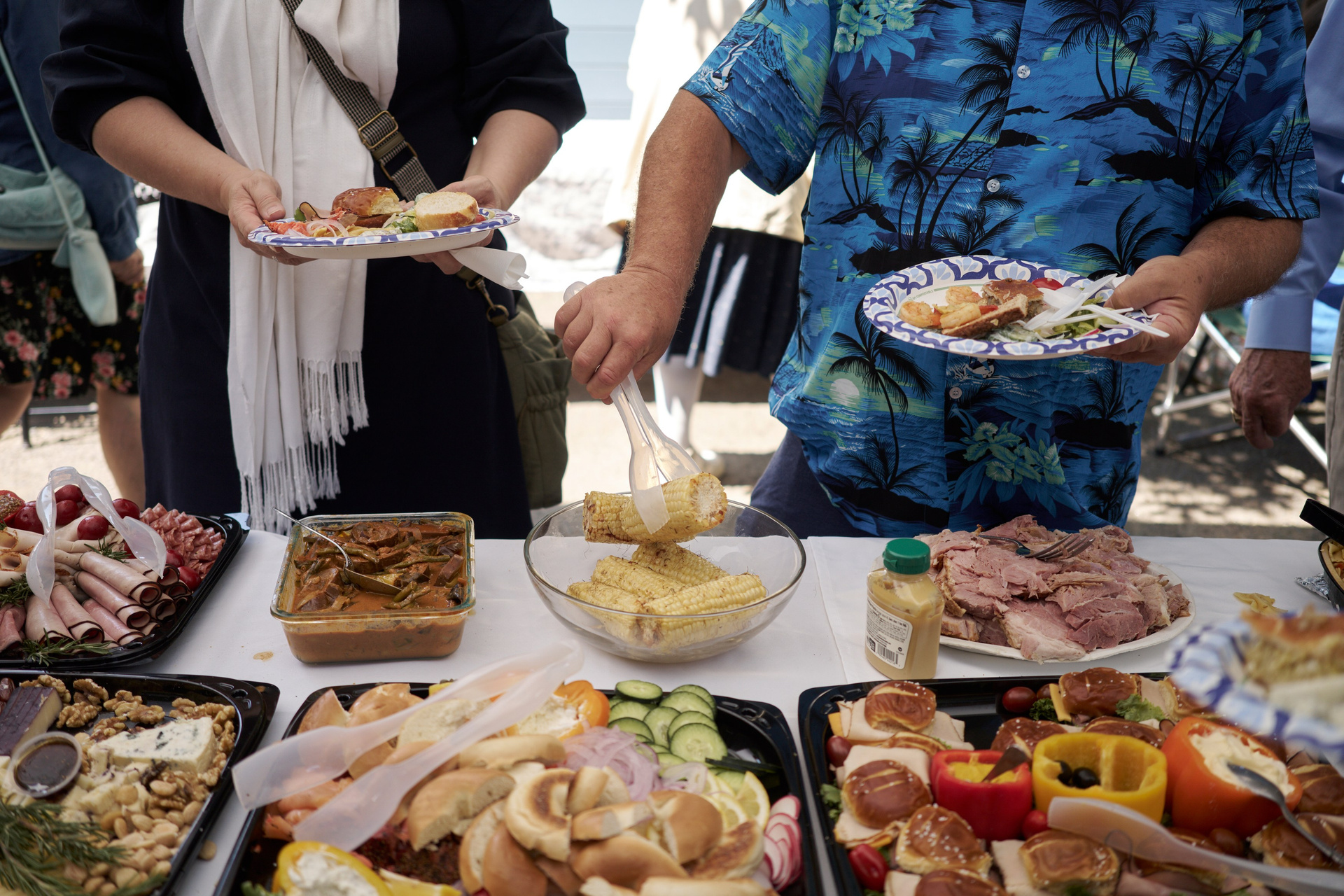
The Orthodox Church has always been the main unifying force for Slavic people of different generations, views, and eras across the U.S. It serves not only as a source of spiritual support but also as a place for social gatherings and mutual aid. While the community was once more closed, today it represents a blend of Slavic traditions and the realities of American life.